Post: Walnut
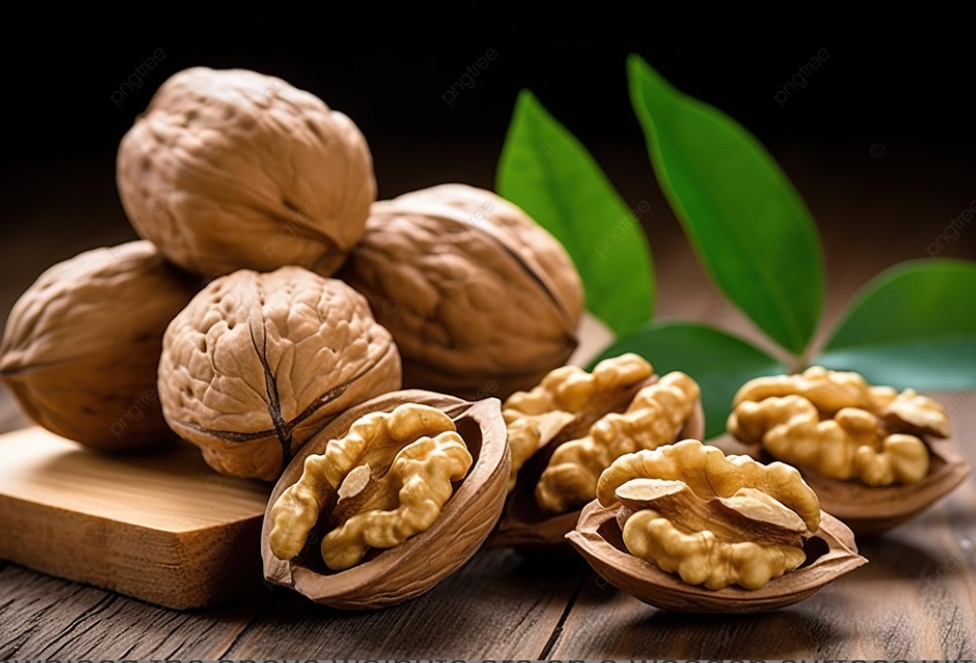
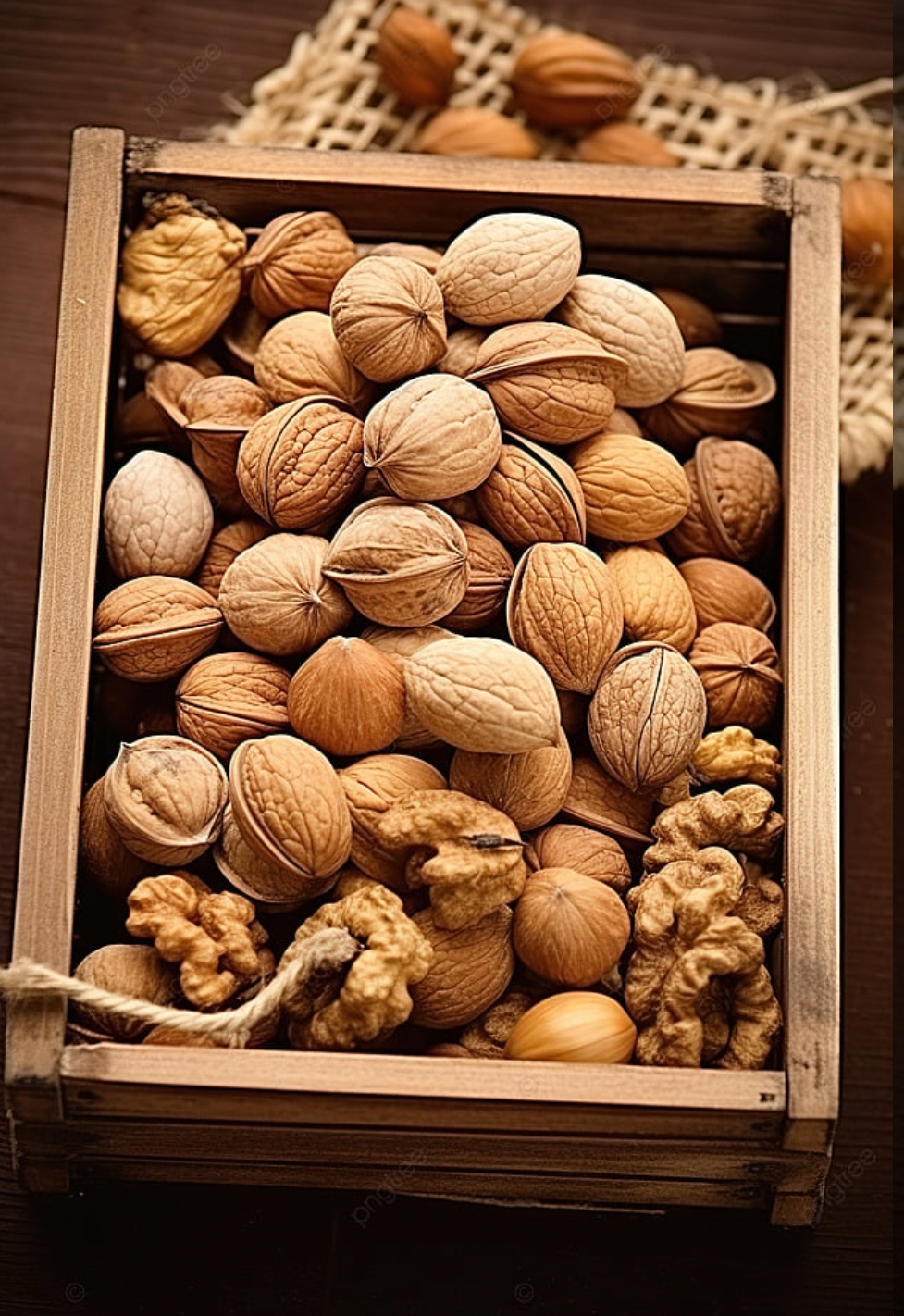
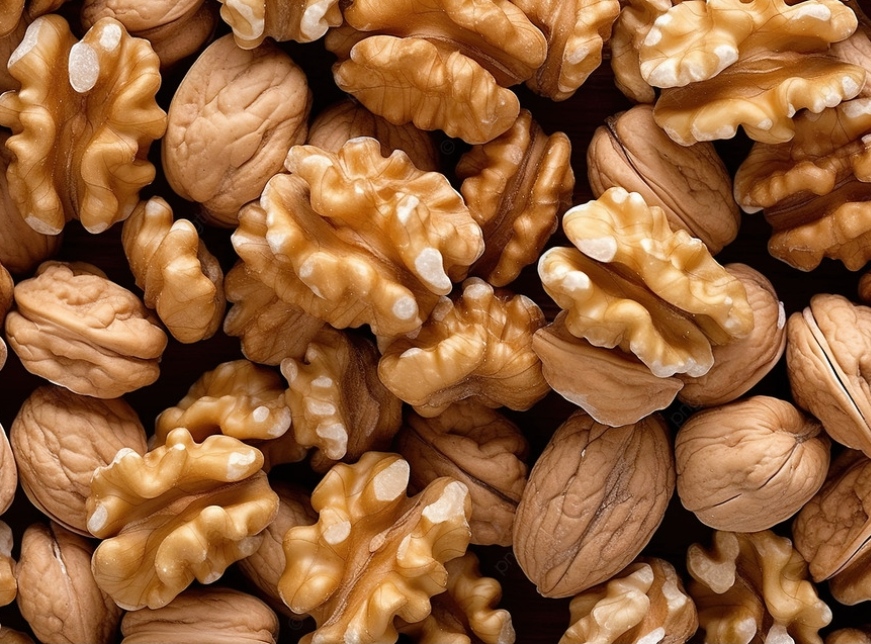
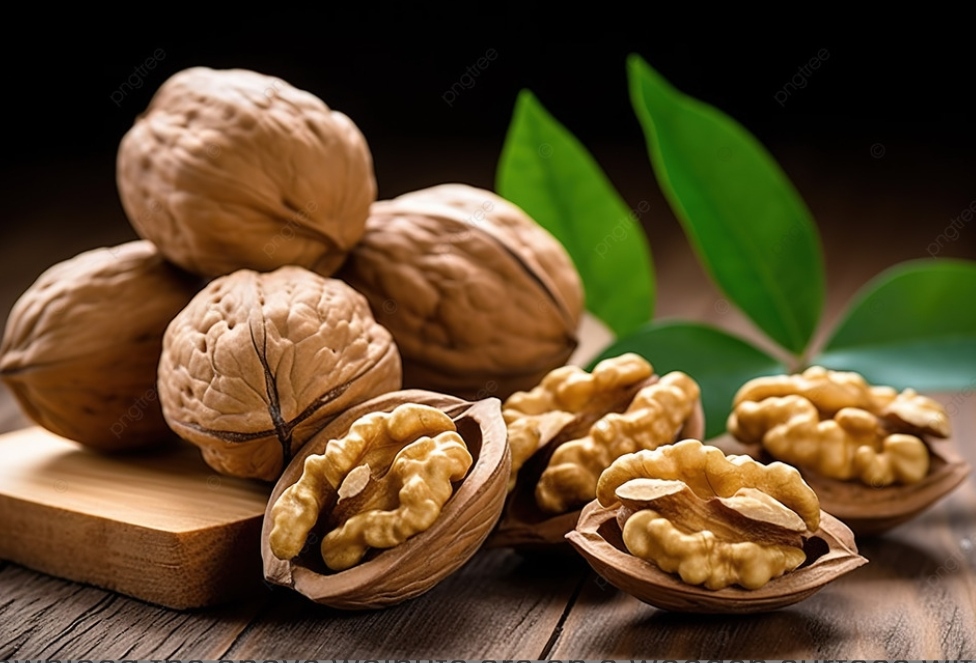
Agroseed Trading Group(ATG) is ready to send this product in the packaging desired by the customer. It is also possible to transport through land, air and sea borders according to the destination. You can easily contact us for more information
Exchanger – Crypto Currency – T/T
You can contact us for more information.
EXW – FOB – CIF
Adress: Shohada Sq. , Keshavarz St. , Kian city, Hamadan , Iran
Email: Info@agroseed.ir
Phone: +989108050628
WhatsApp: +989108050628
Walnuts, scientifically known as Juglans regia, have been cherished for centuries as a delectable and nutritious nut. With their unique flavor and texture, walnuts have become a staple ingredient in numerous culinary creations. However, these remarkable nuts offer much more than just culinary delight. In this article, we delve into the properties and applications of walnuts, exploring their nutritional value, health benefits, and various uses beyond the kitchen. Join us on a journey to discover the versatility of the walnut and its significant contributions to our well-being.
Walnuts are a powerhouse of nutrients, delivering an array of vitamins, minerals, and healthy fats. They are an excellent source of omega-3 fatty acids, which are essential for brain health and reducing inflammation in the body. Additionally, walnuts contain vital minerals such as copper, manganese, magnesium, and phosphorus, all of which play crucial roles in various bodily functions.
Furthermore, walnuts are rich in antioxidants, including polyphenols and vitamin E, which help combat oxidative stress and protect against chronic diseases like heart disease and certain types of cancer. Their high fiber content promotes digestive health and aids in weight management. In fact, a single ounce of walnuts provides approximately four grams of protein and two grams of dietary fiber.
Health Benefits of Walnuts
Consuming walnuts as part of a balanced diet has been linked to numerous health benefits. Several studies have shown that walnuts can improve heart health by reducing LDL (bad) cholesterol levels and improving blood vessel function. The omega-3 fatty acids present in walnuts contribute to these effects by lowering blood pressure and reducing inflammation.
Moreover, walnuts have been associated with cognitive benefits. The antioxidants and polyunsaturated fats found in walnuts may help improve memory, concentration, and overall brain function. Furthermore, their anti-inflammatory properties may have a protective role against neurodegenerative diseases such as Alzheimer’s.
Walnuts also offer benefits for metabolic health. Despite being relatively high in calories, studies have suggested that including walnuts in a balanced diet does not lead to weight gain. In fact, they may enhance weight loss efforts due to their satiating effect, fiber content, and potential to improve insulin sensitivity.
Culinary Applications of Walnuts
Walnuts are a versatile ingredient in the culinary world, lending their unique flavor, texture, and nutritional benefits to a wide range of dishes. They can be enjoyed in both sweet and savory preparations, adding a distinctive nutty taste and a satisfying crunch.
In baking, walnuts are a popular addition to cookies, cakes, bread, and pastries, providing a delightful contrast of textures and enhancing the overall taste. Chopped walnuts are often sprinkled over salads, roasted vegetables, and grain-based dishes, offering a robust flavor and a pleasant crunch. They can also be ground into a fine powder and used as a substitute for flour in gluten-free recipes.
Moreover, walnuts are a key ingredient in traditional dishes such as pesto, where they combine with fresh basil, garlic, olive oil, and Parmesan cheese to create a rich and flavorful sauce. They can be transformed into creamy nut butter or used to garnish and enhance the taste of breakfast bowls, yogurt, and ice cream.
Beyond their culinary applications, walnuts find use in various other domains. The outer shells of walnuts can be ground into a fine abrasive powder known as walnut shell grit, which has applications in industries such as cosmetics, cleaning products, and metal polishing. Its gentle yet effective exfoliating properties make it a popular ingredient in facial scrubs, body washes, and toothpaste.
Additionally, walnut wood is highly valued for its durability, rich color, and attractive grain patterns. It is commonly used in furniture making, cabinetry, flooring, and decorative woodwork. The unique properties of walnut wood make it a sought-after material for high-quality craftsmanship.
Contact Us
- Adress: Shohada Sq. , Keshavarz St. , Kian city, Hamadan , Iran
- Email: Info@agroseed.ir
- Phone: +989108050628
- WhatsApp: +989108050628