Post: Coriander Seeds
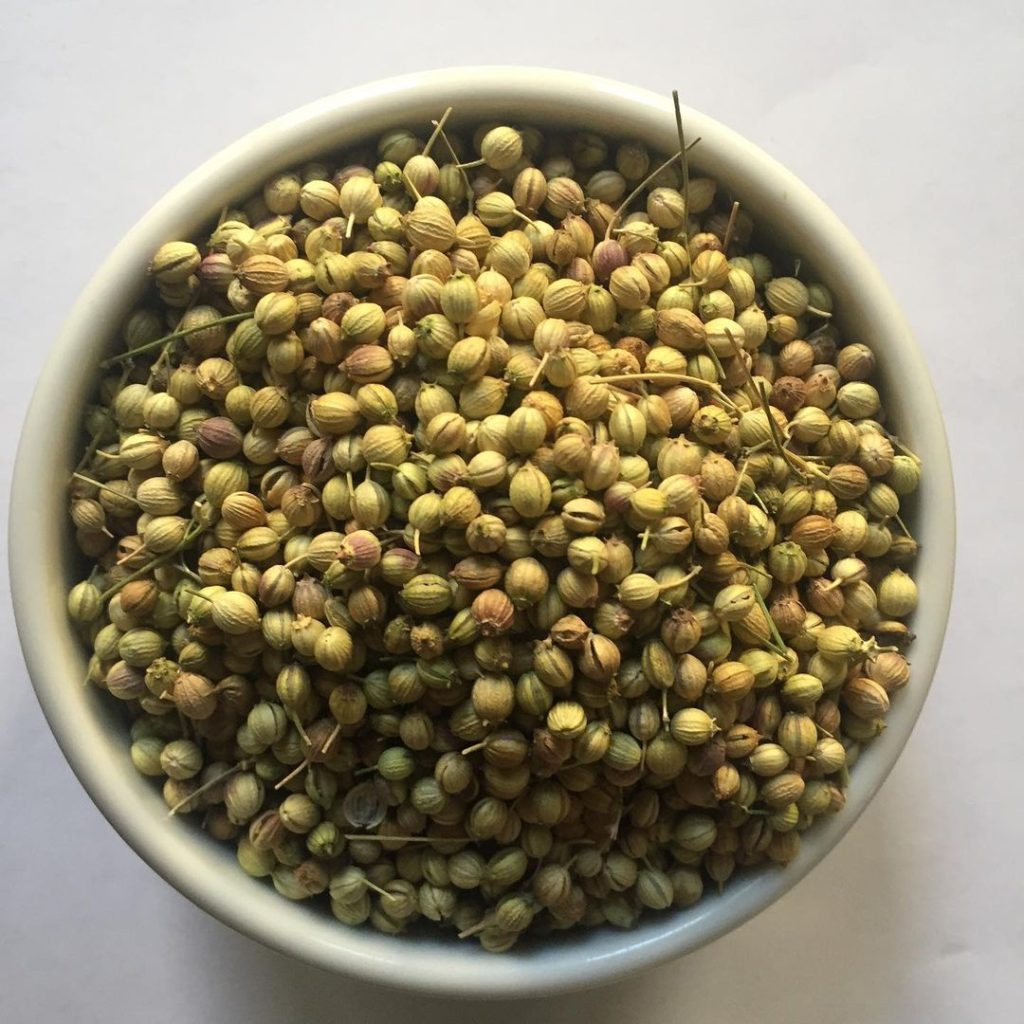
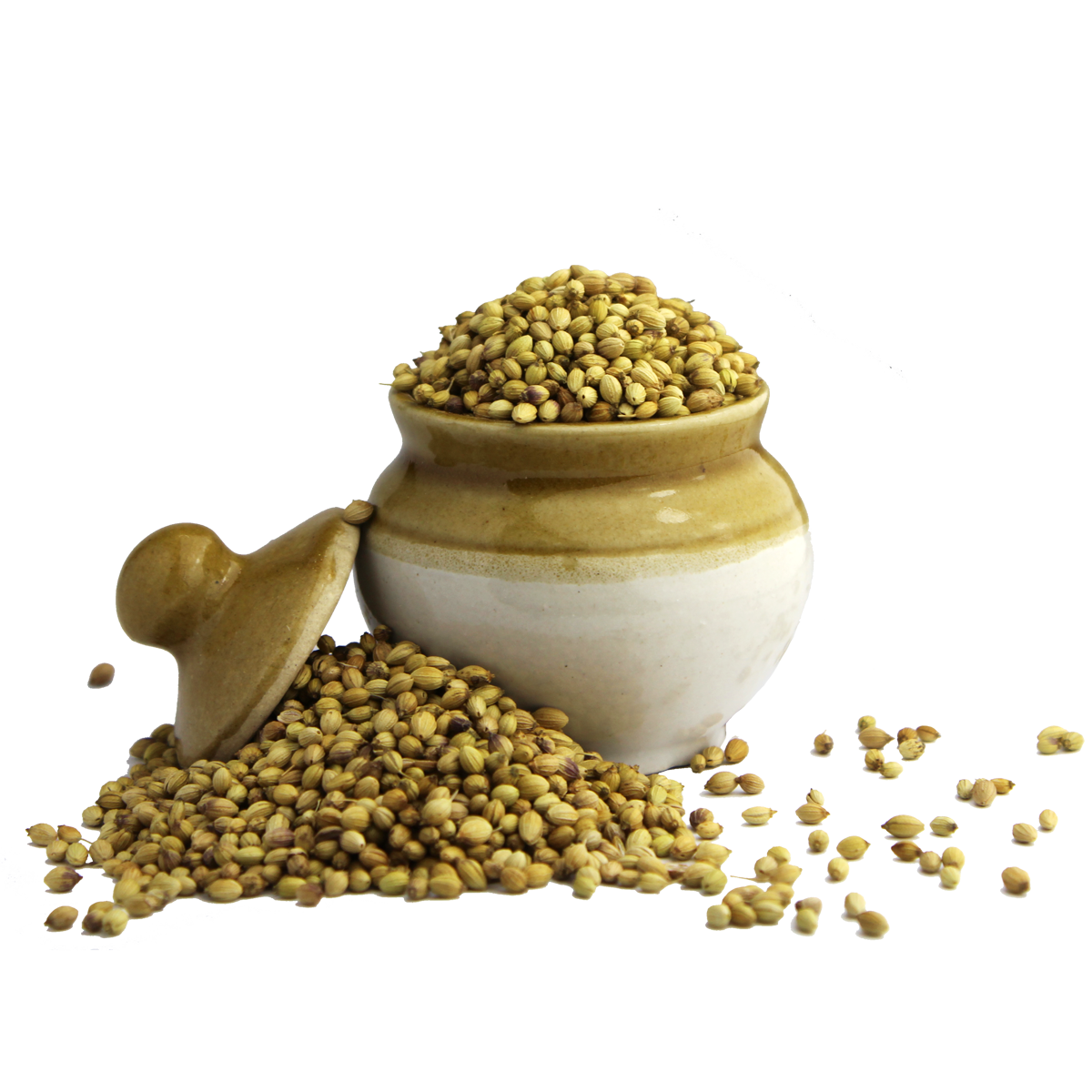
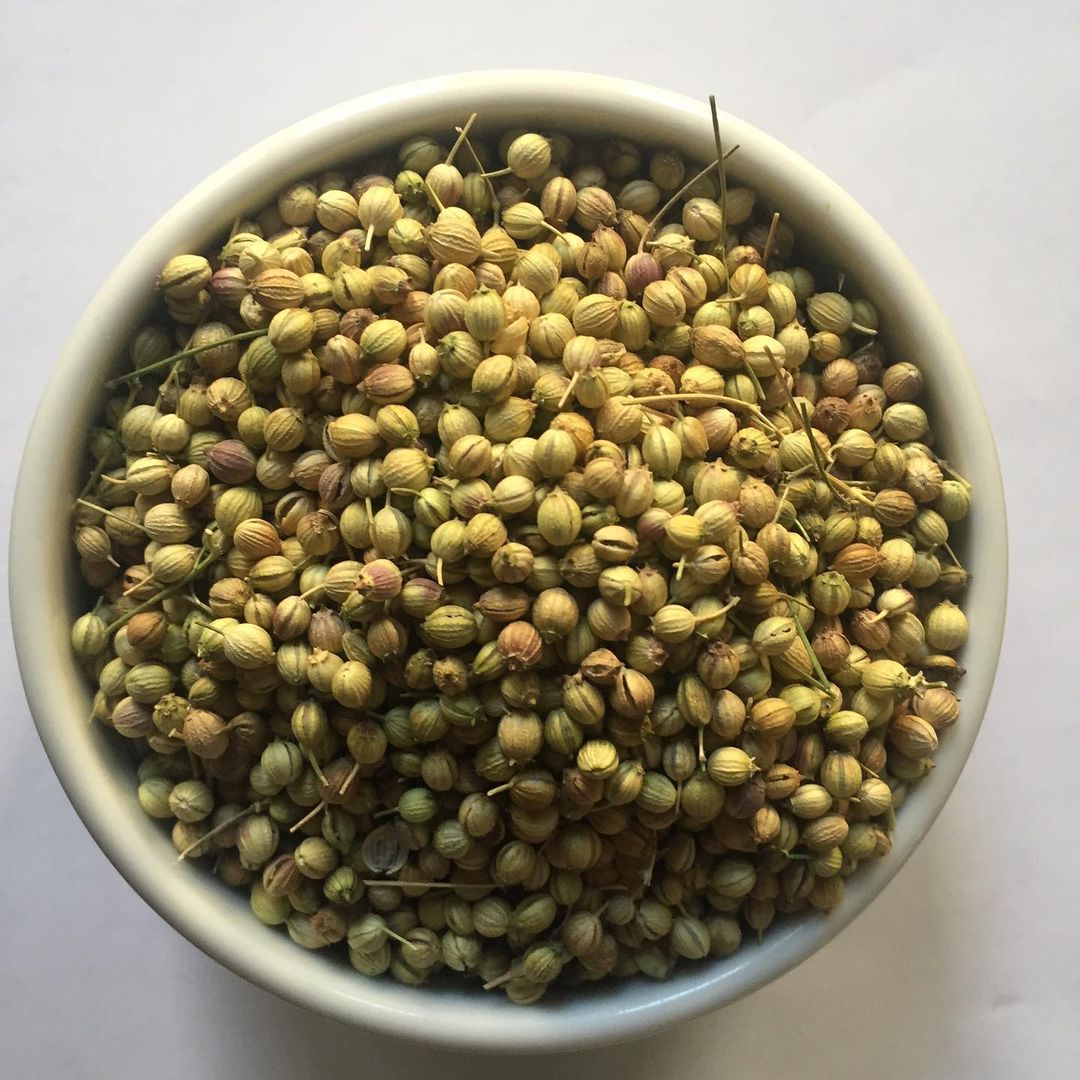
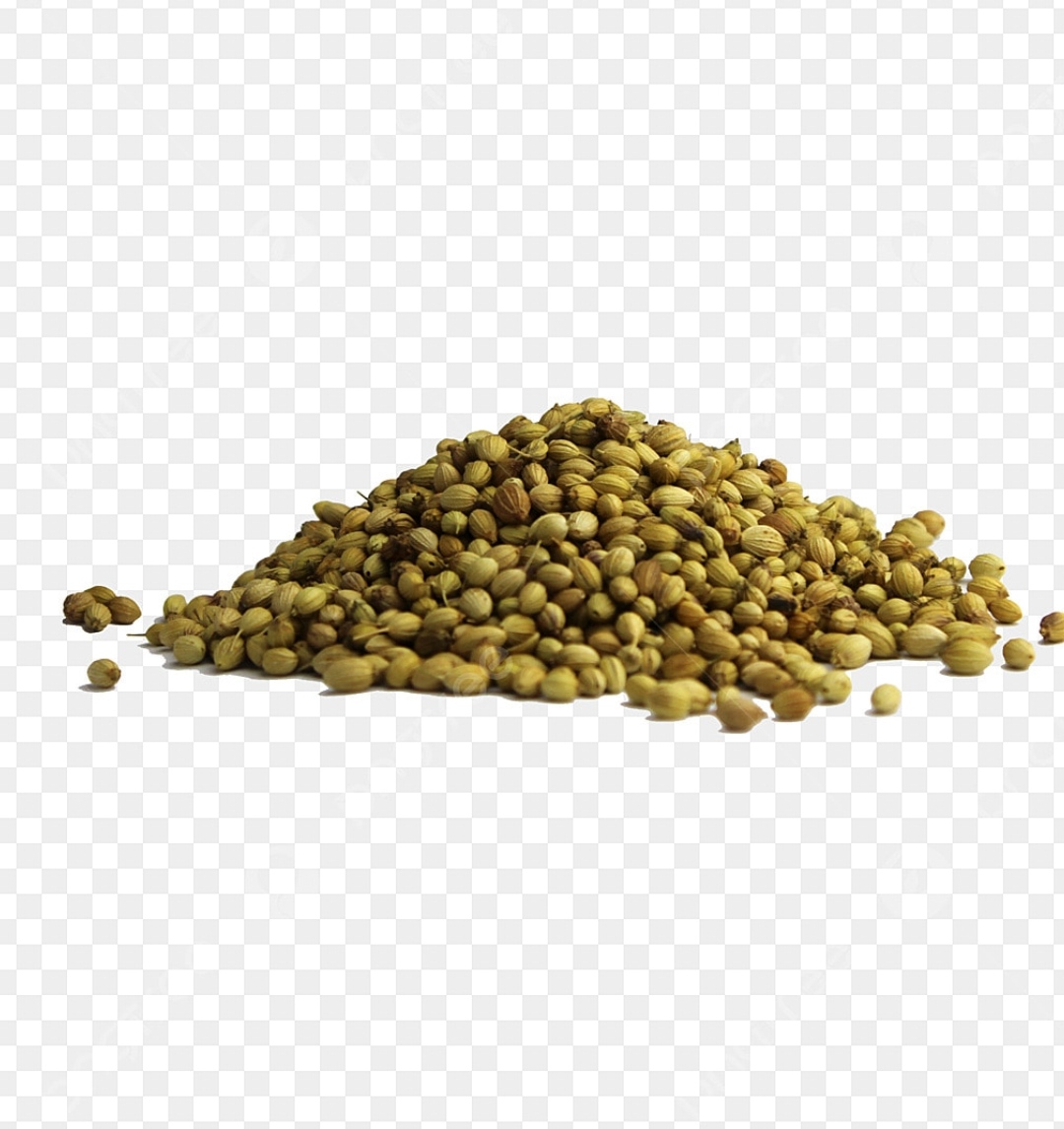
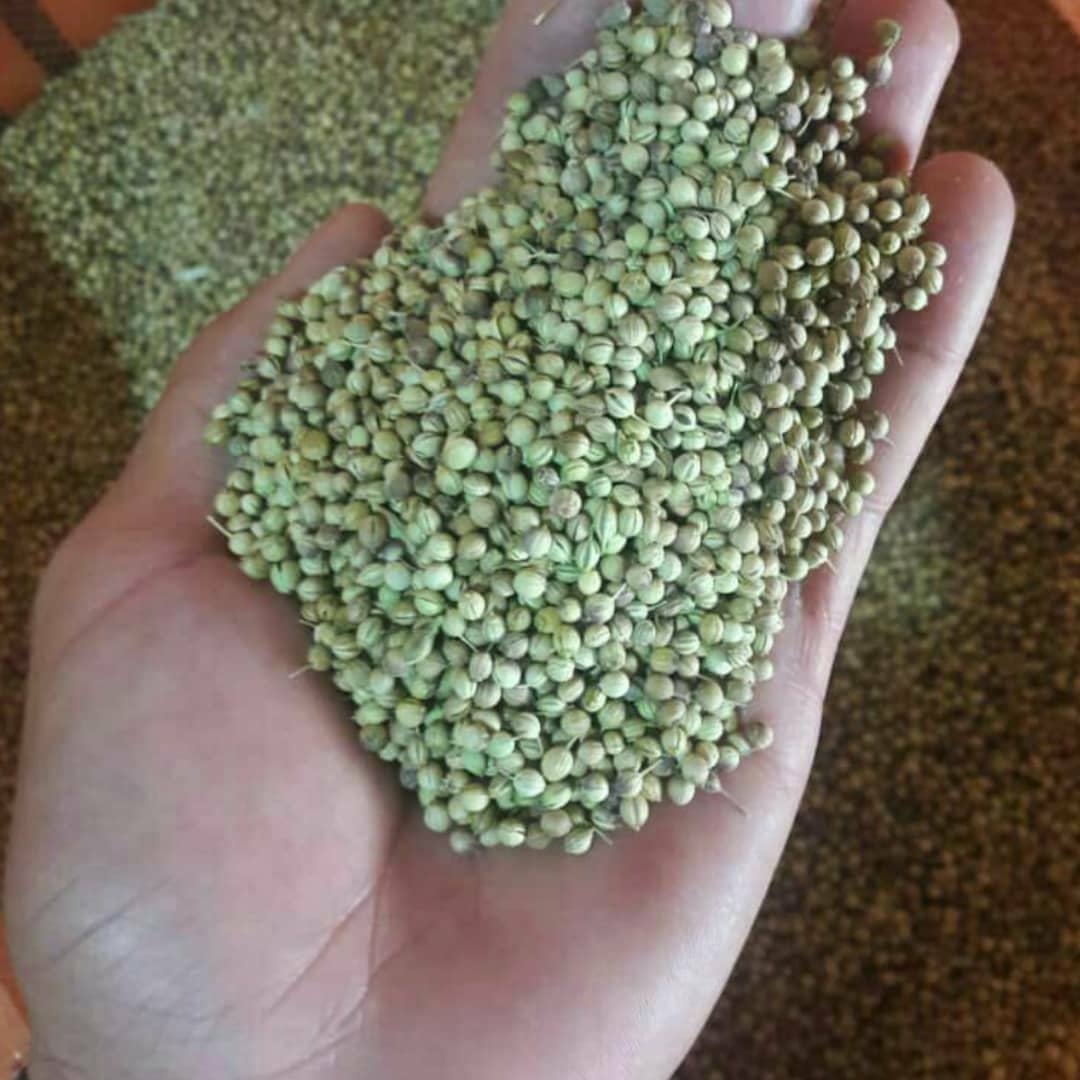
Agroseed Trading Group(ATG) is ready to send this product in the packaging desired by the customer. It is also possible to transport through land, air and sea borders according to the destination. You can easily contact us for more information
Exchanger – Crypto Currency – T/T
You can contact us for more information.
EXW – FOB – CIF
Adress: Shohada Sq. , Keshavarz St. , Kian city, Hamadan , Iran
Email: Info@agroseed.ir
Phone: +989108050628
WhatsApp: +989108050628
Coriander seeds contain a rich array of bioactive compounds that contribute to their unique flavor and medicinal properties. The chemical composition of coriander seeds includes:
1.1 Essential Oils
Coriander seeds are abundant in essential oils, with their composition varying based on the geographic origin and growing conditions. The major components of coriander essential oil include linalool, α-pinene, γ-terpinene, and geranyl acetate. These compounds contribute to the characteristic aroma and flavor of coriander seeds.
1.2 Phenolic Compounds
Coriander seeds are a notable source of phenolic compounds, including flavonoids (quercetin, kaempferol, and rutin) and phenolic acids (caffeic acid, chlorogenic acid). These compounds possess antioxidant, anti-inflammatory, and antimicrobial properties, which contribute to the therapeutic potential of coriander seeds.
1.3 Fatty Acids
Coriander seeds contain essential fatty acids such as linoleic acid and oleic acid, which play a crucial role in maintaining cardiovascular health and reducing inflammation in the body.
2.1 Antioxidant Activity
Coriander seeds exhibit potent antioxidant activity due to the presence of phenolic compounds. These compounds scavenge free radicals, reducing oxidative stress and preventing cellular damage. The antioxidant activity of coriander seeds contributes to their potential in preventing chronic diseases such as cardiovascular disorders, cancer, and neurodegenerative conditions.
2.2 Anti-inflammatory Effects
The phenolic compounds present in coriander seeds possess anti-inflammatory properties, making them useful in managing inflammatory conditions like arthritis and asthma. These compounds inhibit the production of pro-inflammatory cytokines and enzymes, suppressing inflammation and providing relief.
2.3 Digestive Health
Coriander seeds have been traditionally used as a digestive aid. They stimulate enzyme secretion, promote healthy digestion, and alleviate symptoms of indigestion, bloating, and abdominal discomfort. Additionally, coriander seeds possess antimicrobial properties that can help combat gastrointestinal infections.
2.4 Cholesterol-Lowering Effects
Studies have shown that coriander seeds can help reduce cholesterol levels in the blood. The compounds present in coriander seeds inhibit cholesterol synthesis, enhance its elimination, and promote the breakdown of fats. These effects contribute to the potential use of coriander seeds in managing hyperlipidemia and reducing the risk of cardiovascular diseases.
2.5 Antimicrobial Activity
Coriander seeds possess antimicrobial activity against various bacteria and fungi. The essential oils and phenolic compounds present in coriander seeds inhibit the growth of pathogens, including Salmonella, Escherichia coli, and Candida species. This antimicrobial property highlights the potential use of coriander seeds in food preservation and as a natural alternative to synthetic antimicrobial agents.
Culinary Uses of Coriander Seeds
Coriander seeds are widely used in culinary applications to enhance the flavor and aroma of dishes. They are commonly used in curry powders, spice blends, marinades, and pickles. Dry-roasting coriander seeds before grinding intensifies their flavor and releases essential oils, adding a distinct taste to various cuisines.
Coriander seeds are not only a popular ingredient in cooking but also a valuable source of bioactive compounds with significant health benefits. The essential oils, phenolic compounds, and fatty acids present in coriander seeds contribute to their antioxidant, anti-inflammatory, digestive, cholesterol-lowering, and antimicrobial properties. Incorporating coriander seeds into your diet can promote overall well-being and potentially help prevent or manage various health conditions. More than 90% of coriander seeds produced in Iran are related to Nahavand city and its suburbs, which is in the specialized field and location of this company and can be supplied at any scale.
Contact Us
- Adress: Shohada Sq. , Keshavarz St. , Kian city, Hamadan , Iran
- Email: Info@agroseed.ir
- Phone: +989108050628
- WhatsApp: +989108050628