Post: Saffron
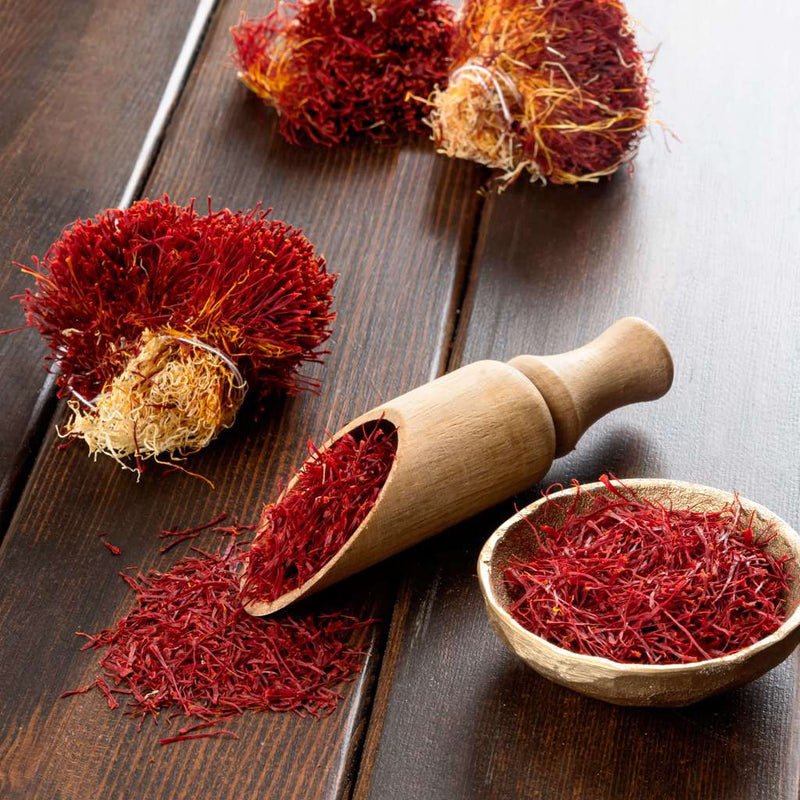
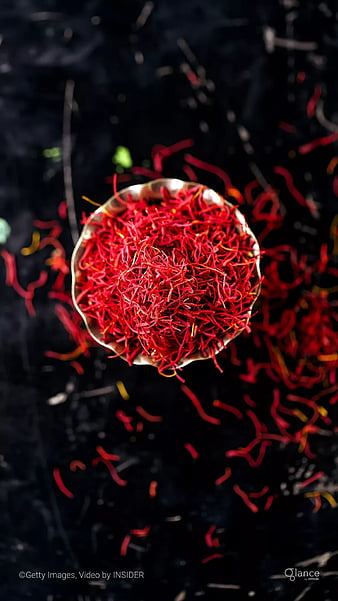
Agroseed Trading Group(ATG) is ready to send this product in the packaging desired by the customer. It is also possible to transport through land, air and sea borders according to the destination. You can easily contact us for more information
Exchanger – Crypto Currency – T/T
You can contact us for more information.
EXW – FOB – CIF
Adress: Shohada Sq. , Keshavarz St. , Kian city, Hamadan , Iran
Email: Info@agroseed.ir
Phone: +989108050628
WhatsApp: +989108050628
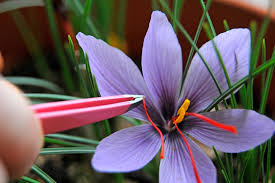
Saffron cultivation has ancient roots, originating in the regions of Greece, Iran, and Kashmir. The process of harvesting saffron is meticulous and labor-intensive, adding to its value. The Crocus sativus flowers bloom for only a few weeks each year, usually in autumn. Each flower produces three delicate crimson stigmas, commonly known as saffron threads. These threads are carefully handpicked, requiring precision and patience. It takes a vast number of flowers to yield a small quantity of saffron, making it one of the most expensive spices in the world.
Saffron owes its unique properties to the presence of several chemical compounds, including crocin, picrocrocin, and safranal. Crocin is responsible for the spice’s vibrant red color, picrocrocin contributes to its bitter taste, and safranal gives saffron its distinctive aroma.
Coloring Agent and Flavor Enhancer
Saffron is widely recognized for its ability to impart a rich golden hue to dishes. Its natural coloring properties make it a preferred choice in various culinary preparations. Additionally, saffron adds a distinct and slightly bitter flavor to food, enhancing the overall taste profile.
Powerful Antioxidant:
Saffron contains a high concentration of antioxidants, including crocin and crocetin. These antioxidants help protect the body against oxidative stress and damage caused by free radicals, thereby promoting overall well-being.
Mood-Enhancing and Anti-Depressant Effects
Studies have suggested that saffron may have mood-enhancing properties. It is believed to increase the levels of serotonin, a neurotransmitter associated with positive emotions. As a result, saffron has been explored for its potential benefits in treating mild to moderate depression and improving mood.
Contact Us
- Adress: Shohada Sq. , Keshavarz St. , Kian city, Hamadan , Iran
- Email: Info@agroseed.ir
- Phone: +989108050628
- WhatsApp: +989108050628